


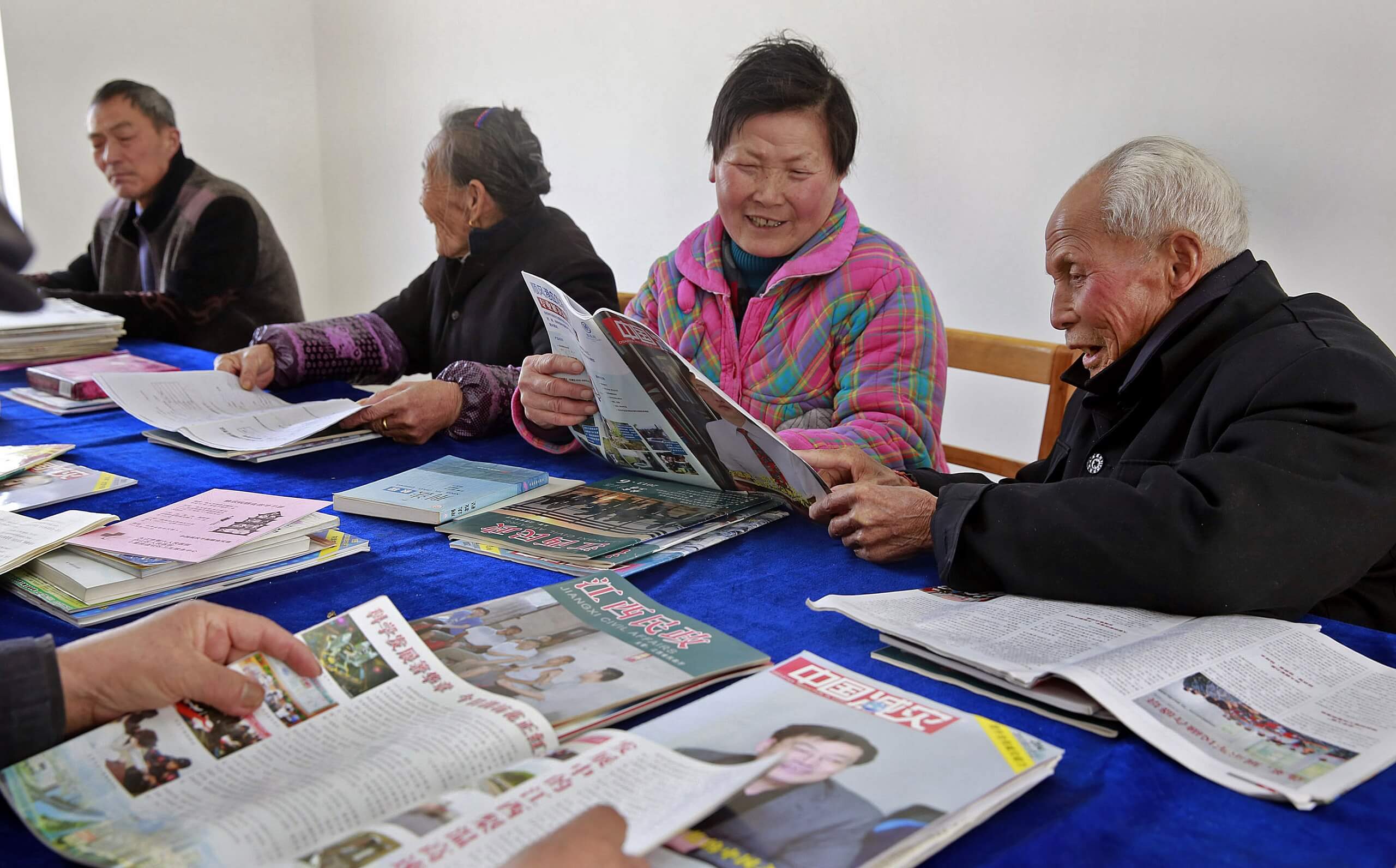

China’s social security system has significantly changed as the nation transitions into a market economy. This system, vital for ensuring the well-being of its citizens, faces numerous challenges, including a rapidly aging population and the need to integrate urban and rural coverage. Historically, the Chinese social security system operated with distinct urban and rural subsystems, reflecting China’s varied economic landscape.
Recent reforms in the social security system aim to create a more cohesive and efficient approach to providing for the nation’s elderly and vulnerable populations. These efforts have focused on establishing a resilient and adaptive system to the social and economic shifts occurring in the nation. Recognizing the potential fiscal challenges posed by population aging, China is taking measures to enhance the sustainability of its pension system and broaden the coverage of social security benefits.
Understanding the structure and prospects of China’s social security reforms offers insight into how the country plans to manage the interplay between social stability and economic development. The reforms in the Chinese social security system can illustrate the broader strategy for managing public welfare in a vast and demographically diverse nation transitioning toward a more market-oriented economy.
Overview of China’s Social Security System
China’s Social Security System is a complex network designed to provide citizens with various financial assistance. This system is a cornerstone of the social welfare framework, impacting the economy and the population’s well-being.
Historical Context
The development of the social security system in China has been shaped by reforms and policies that reflect the country’s transition from a centrally planned economy to a more market-oriented one. These changes were necessary to address the evolving needs of the population and labor force. Historically, the social security system in China has been influenced by domestic factors and other developed nations’ experiences in establishing a reliable safety net for citizens.
Components of the Social Security System
China’s social security system comprises multiple parts: pension plans, medical insurance, unemployment insurance, work-related injury insurance, and maternity insurance. Pensions serve as a financial foundation for the elderly, whereas medical insurance aims to provide healthcare support. Unemployment insurance offers temporary financial aid to those involuntarily out of work, ensuring income security. Injury and maternity insurance specifically address the needs arising from workplace accidents and childbirth, respectively.
Coverage and Beneficiaries
The social security system aims to cover many beneficiaries, including urban employees, rural residents, and the non-working population. Despite disparities in benefit levels and implementation across regions, the system strives for universal coverage. The coverage rate depends on various factors, such as compliance with labor laws, urbanization, and economic conditions.
Administration and Regulation
The administration and regulation of China’s social security system fall under the purview of the government, with compliance with the system being enforced through national and local labor laws. The government is also responsible for the system’s ongoing reforms to ensure sustainability, adequacy of the benefits, and alignment with the country’s economic objectives. Maintaining a stable and robust social security system is critical for social stability and supporting China’s evolving economy.
Pension System Details
China’s social welfare system encompasses a structured pension system designed to support retirees financially. This system is a cornerstone of economic stability and growth, aiming to provide a sustainable and reliable source of income for the aging population.
Pension Fund Management
In China, pension fund management involves a multi-tiered approach to ensure long-term sustainability and cope with the economic burden of an aging population. The core of the pension system features baseline guarantees intended to provide a fundamental level of retirement security. The pension fund accumulates contributions from employers and employees, which are then invested to generate returns, adding to the fund’s financial health and ability to disburse benefits to retirees.
Contribution Rates and Structure
Contribution rates to the pension system in China vary, but they typically include a percentage of the employee’s income and a portion from the employer. These rates are structured to balance the workforce’s needs with employers’ economic capabilities. For example, urban employees’ pension system contributions have been adjusted over time due to changes in social security policies. These adjustments reflect economic realities and aim to maintain the pension system’s integrity and reliability.
Retirement Age and Benefits
The standard retirement age in China has been subject to discussion and policy change in light of demographic shifts. Retirement benefits are determined by a combination of factors, including the length of contribution to the pension fund and the amount contributed over time. Since family-related old-age provision is significant in rural areas, pension reform has been crucial in ensuring that benefits are fair and appropriately distributed, considering both the urban and rural dynamics. The government continues to adapt retirement benefits to balance the needs of retirees with the economic growth and sustainability of the pension system.
Healthcare Insurance
China’s healthcare insurance system aims to provide equitable access to medical services while ensuring financial protection against health-related expenses. Two elements stand out in this system: the breadth of medical insurance coverage and the meticulous reimbursement processes facilitated by calibrated contribution rates.
Medical Insurance Coverage
China’s social health insurance includes several schemes, foremost among them the Urban Employee Basic Medical Insurance (UEBMI), Urban Resident Basic Medical Insurance (URBMI), and the New Rural Cooperative Medical Scheme (NRCMS). These schemes extend healthcare access and provide a safety net for a diverse population range, spanning urban employees to rural residents.
Contribution Rates
Medical insurance funding in China is based on a combination of individual contributions, employer contributions, and government subsidies. Contribution rates vary by scheme. For example, in the UEBMI, employers generally contribute around 6% of an employee’s salary, while the employees contribute about 2%. Rural and non-working urban residents pay a fixed premium for coverage under URBMI and NRCMS, supplemented by significant government subsidies.
Reimbursement Processes
Reimbursement rates in China’s social health insurance are not uniform and vary by scheme, type of healthcare service, and even region. Generally, patients pay out-of-pocket at the point of service and later file for reimbursement. Inpatient services often have a higher reimbursement rate than outpatient services. They have established a complex but systematic set of procedures to oversee reimbursement, which involves settling claims based on the type of medical insurance an individual has and the medical services received.
Unemployment and Other Insurance
China’s social security system encompasses a range of insurance designed to protect workers against economic risks associated with unemployment, on-the-job injuries, and maternity. These insurances are integral to the social safety net, providing crucial support during times of need.
Unemployment Insurance
Unemployment insurance in China is intended to provide financial assistance to those who have lost their jobs. Employees contributing to the unemployment insurance fund are eligible for benefits, including monthly payments and re-employment services. Unemployment insurance also serves as an economic stabilizer during joblessness, cushioning the financial burden.
Work-Related Injury Insurance
This type of insurance safeguards workers who suffer injuries or contract occupational diseases during employment. Work-related injury insurance protects employees by covering medical expenses, rehabilitation costs, and compensation for loss of income during recovery. Employers are mandated to contribute to this insurance fund, ensuring that workers are supported if they are incapacitated due to work-related causes.
Maternity Insurance
Maternity insurance assists women employees during the prenatal and postnatal periods, ensuring that maternity does not lead to unfair economic hardship. It covers a range of benefits that typically include medical costs for childbirth and a maternity allowance during maternity leave. This insurance aims to promote the well-being of mothers and children while upholding women’s labor rights in the workforce.
Housing Fund
China’s housing provident fund is a mandatory savings scheme aimed primarily at helping employees to buy their own homes. It is a significant part of China’s social security scheme, requiring contributions from both employers and employees.
Mandatory Housing Fund Contributions
The housing provident fund mandates contributions from both employers and employees in China. The monthly contribution base is typically decided by the local housing fund management center, which considers the average local wages. Each city sets its contribution floor and ceiling, meaning contributions cannot fall below a certain percentage of the local average wage (floor) nor exceed a percentage of the local maximum wage (ceiling). On average, employers and employees contribute equally, ranging from 5% to 12% of an employee’s monthly salary. These percentages are subject to change as they are reviewed periodically to reflect economic and market conditions.
Housing Fund Utilization
Contributing employees can utilize the sums accumulated in the housing fund in several ways, primarily around housing. Qualified employees may use their contributions towards down payments, mortgage loan repayments, and renovations. The fund is essential in enhancing employees’ housing affordability in a market where housing prices have increased. Yet, the actual use of these funds is tightly regulated. Employees must meet specific requirements, and the process often involves several government departments to ensure proper usage aligned with policy goals.
Social Security for Migrant and Foreign Workers
In the intricate landscape of China’s social security system, migrant and foreign workers navigate a distinct set of rules and regulations regarding their contributions and entitlements. Specific guidelines mandate how these individuals engage with the system, outlining their obligations and protections.
Social Security Contributions
Migrant Workers: When formally employed, they are expected to contribute to the social security system, which often requires a combined effort from the employer and employee. The contribution rates, however, may exhibit local variance, with some regions offering different terms to accommodate the transient nature of migrant labor.
Foreign Employees: Like their migrant counterparts, foreign workers are subject to mandatory social security contributions. These contributions typically include pensions, medical insurance, work-related injury insurance, unemployment insurance, and maternity insurance. The percentage of contributions for foreign employees can differ across regions in China, creating a landscape where compliance heavily depends on understanding local regulations.
Foreign Employees and Compliance
Foreign employees working in China must participate in the social security system that is aligned with local laws and regulations. Employers must ensure that the company and the foreign employees fully comply with the intricate web of social security contributions. Employers are also responsible for accurately withholding and remitting social security payments, adhering to the contribution floor and ceiling set by local authorities.
Rural and Migrant Workers
Rural and migrant workers’ participation in the urban social security system has been historically low due to systemic challenges and barriers. Although they contribute considerably to urban economies, these workers often struggle with accessing full social security benefits due to registration problems, local variance in policy implementation, and the lack of portability of benefits. Efforts are being made to bridge the gap and ensure that social security schemes are more inclusive for these vital contributors to the Chinese economy.
Regulatory Compliance and Enforcement
The Chinese Social Security System imposes clear obligations on employers, delineating registration processes and labor costs, with stringent penalties for noncompliance. Enforcement measures include naming and shaming defaulters to foster a culture of adherence.
Employer Obligations and Labor Costs
Employers in China must contribute to various social insurance funds for their employees. These funds include pension, medical, work-related injury, unemployment, and maternity insurance. These social security obligations are fundamental to ensuring workers’ rights and benefits. The labor costs associated with these contributions are significant and vary depending on regional regulations and the type of employment contract in place.
Registration and Compliance Norms
Registration is compulsory for companies operating in China, requiring them to enroll in the social insurance system. The compliance norms mandate that employers keep accurate records and submit timely payments for each employee. Regular audits are conducted to ensure that companies adhere to these norms, with detailed rules guiding the registration procedures and payment deadlines.
Penalties for Noncompliance
Chinese authorities apply various penalties for noncompliance with social insurance regulations. These range from fines and the accrual of late payment fees to more severe legal actions. A “name and shame” approach is often taken to publicly disclose the names of companies that fail to comply with the requirements, exerting social pressure to rectify the lapses in their contributions. These enforcement strategies emphasize the importance of regulatory adherence to maintain the integrity of the social security system.
Legal Aspects of Social Security
China’s social security framework is defined by complex laws regulating labor relations, social insurance, and resolving conflicts arising from employment relationships. The legal system ensures the establishment and enforcement of social security measures, including statutory social insurance programs and protections under individual labor contracts.
Labor Contract Law
The Labor Contract Law in China underpins employment agreements, mandating clear terms and conditions in individual employment contracts. A fundamental aspect of this law is to protect workers’ rights by ensuring contracts are fair and transparent, thereby enforcing stability in the labor market. It addresses employment terms, severance pay, and the unresolved labor disputes that may stem from contractual disagreements.
Social Insurance Law
Under the Social Insurance Law, employers and employees in China are compelled to contribute to various social insurance schemes. This law provides a legal framework for compulsory participation in schemes such as pension, medical, work-related injury, unemployment, and maternity insurance, forming an individual employment contract-based social security system. Contributions and benefits vary, ensuring coverage and support throughout an employee’s life cycle.
Labor Disputes and Severance Payment
When labor disputes arise in China, they are governed by specific procedures that seek to reconcile the interests of employers and employees. If necessary, the law requires disputes to be addressed through arbitration and legal proceedings. In employment termination cases, laws stipulate criteria for severance payment, which is calculated based on the employee’s tenure and salary, safeguarding employees’ rights amidst terminations.
Challenges and Future of China’s Social Security System
China’s Social Security System faces considerable challenges due to its aging population and the implications of economic fluctuations. This section explores the demographic hurdles, economic impacts, and reform directions necessary for a sustainable future.
Demographic Challenges
China’s population structure is rapidly aging. In 2021, the ratio of working-age individuals to retirees began shrinking, presenting a demographic challenge for the Social Security System. As the proportion of the elderly population grows, dependency on the pension system is increasing, leading to a higher burden on workers and the government to provide for this demographic. Substantial reforms in both policy and Social Security structure are essential to accommodate these changes.
Economic Impacts
The sustainability of China’s Social Security funds is closely tied to its economic growth. Changes in the economy, such as fluctuations in employment, wages, and investment returns, can significantly affect the funds’ solvency. A balance must be struck to mitigate the risks associated with economic downturns, ensuring that the Social Security System can continue supporting retirees without burdening the nation’s economy.
Reform and Policy Direction
Reform and policy direction must be agile to adapt to China’s evolving demographic and economic landscape. Efficient policy implementation could include scaling benefits to match longevity and economic patterns, harmonizing rural and urban insurance systems, and promoting sustainable funding mechanisms. Continuous adjustments and innovations within the Social Security System are crucial to effectively address both present and future challenges, ensuring a resilient framework that supports China’s entire population.
Data and Statistics
The statistics related to China’s Social Security System reveal the nuances of its implementation across various regions and the economic implications for urban workers. Detailed data analysis offers insights into the disparities due to local governance.
Social Security Data Analysis
Data on China’s Social Security System reflects complex interactions between average income levels and the monthly social security contribution amounts required from urban workers. Studies indicate that contribution levels often closely align with the local minimum wage regulations set by local governments and can vary significantly from one geographic area to another. For instance, officials in affluent coastal regions may mandate higher social security contributions in response to higher average incomes.
- Average Monthly Contribution: While specific figures fluctuate, there is a clear trend that the more developed the area, the higher the contribution rates tend to be.
- Average Income vs. Contribution Percentages: Analyses often show that in regions with elevated average incomes, social security contributions constitute a lower percentage of the monthly income, a benefit not always afforded to those in less affluent areas.
| Social insurance items | Shanghai | Beijing | Guangzhou | |||
|---|---|---|---|---|---|---|
| Employee portion | Employer portion | Employee portion | Employer portion | Employee portion | Employer portion | |
| Pension | 8% | 16% | 8% | 16% | 8% | 14% |
| Medical (including maternity) | 2% | 10% | 2% | 9.8% | 2% | 6.85% |
| Unemployment | 0.5% | 0.5% | 0.5% | 0.5% | 0.2% | 0.8% |
| Work-related injury | 0% | 0.16% to 1.52% | 0% | 0.2% to 1.9% | 0% | 0.2% to 1.4% |
| Total | 10.5% | 26.66% to 28.02% | 10.5% | 26.5% to 28.2% | 10.2% | 21.85% to 23.05% |
| Ceiling for monthly salary base | CNY 36,549 | CNY 33,891 | CNY 26,421 for pension. CNY 28,368 for medical. CNY 38,082 for unemployment. |
Local Governments and Variance
The role of local governments is pivotal when examining the variance in China’s social security system. Each local authority can adapt the social security framework to reflect the economic realities of their jurisdiction. This results in a separate and distinct set of social security guidelines across different regions, resulting in what is known as local variance.
- Impact of Local Variance on Contributions:
- Coastal Areas: Typically set higher baselines for contributions.
- Inland Provinces: May have lower baselines due to reduced economic activity.
Officials play a key role in determining how social security funds are allocated and managed, underscoring the influence of local governance on the system’s efficacy and fairness. These decisions often directly reflect the economic stratification seen within China’s vast and diverse landscape.
International Comparison and Agreements
Comparing China’s social security system with global standards reflects its alignment with international practices and illustrates the network of bilateral agreements that affect foreign workers and Chinese citizens abroad.
Global Social Security Systems
China’s social security system comprises various components that are aligned with international standards. These components include pension plans, medical insurance, work-related injury insurance, unemployment insurance, and maternity insurance. The International Labour Organization (ILO) sets international social security standards as comparative benchmarks. For instance, the ILO provides guidelines on the minimum standards of social security protection that member countries, including China, aim to comply with. However, it is crucial to note the diverse socio-economic conditions in China compared to those of its developed country partners, which influence the shape and functionality of its social security system.
Bilateral Social Insurance Exemption Agreements
China has established bilateral social insurance exemption agreements allowing exemptions in contributing to social insurance for expatriates and foreign workers to mitigate dual social security contributions. These agreements benefit both Chinese citizens working abroad and foreign nationals working in China by fostering mutual trust and reciprocity between China and the signing countries. The agreements stipulate that workers only need to pay into their home country’s social security system, preventing double payments. To date, China has enacted such agreements with several countries, ensuring better integration of its social security policies within the global context and providing a framework of social insurance exemption for international workers.
For further details on China’s social insurance law and its international context, see China’s new Social Insurance Law and its treatment of foreigners.
For a deeper understanding of the bilateral agreements, explore Issues of China’s Social Security Internationalization Development.