




To obtain a business license in China or if you have any questions about it, get in touch with us or fill in the form at the bottom of the page.
Establishing a business in China has, in the past, been difficult for foreign companies due to lengthy and complex bureaucratic processes. However, recent government regulations have streamlined requirements to create a more attractive environment for foreign investors. Among the notable changes is the merging of necessary certifications and licenses into a single business license. Here we discuss the function of a business license, the process needed to obtain one and more.

Doing Business in China
If you want to learn more about Doing Business in China, you’ve come to...
Read more

What is a Business License in China?
A Chinese Business License is, issued by the local Administration of Industry and Commerce, and serves as proof of a company’s identity and legitimacy to operate in China.
Also known as a 5-in-1 business license, the Chinese Business License consolidates the business license, business tax registration certificate, organization code certificate, social security registration certificate, and statistical registration certificate, simplifying the registration process for companies.

Send us your question and we will answer within 24 hours. Message →
What is the Importance of a Chinese Business License and When is it Required?
A business license in China is a certificate issued to a company that serves as proof of a company’s identity. This business license is issued by the AMR). Once a business license in China has been issued a company officially comes into existence.
By searching the information contained on a business license certain information about the company can be ascertained, including information on the company’s status, if there are any ongoing disputes with the company and more.
Special Permits and Licenses
Foreign investors are restricted from conducting specific activities as prescribed in the Negative List, including involvement in education, aviation, natural resources, automotive, and legal industries.
Even if the listed activities in the business scope are approved after a business license has been issued, special licenses are still necessary for activities such as:
- Import and export
- Pharmaceutical
- Construction
- Telecommunications
- Food operations
What Information does a Chinese Business License Contain?
- Unified Social Credit Number – The 18-digit uniform social credit code issued to the company.
- Company Name – The registered name in Simplified Chinese.
- License Number – The registration number for State Administration for Market Regulation (SAMR)
- Company Type – The type of enterprise the company is registered such as Joint Venture, Representative Office, Wholly Foreign-Owned Enterprise, Limited Liability Company, and Foreign Invested Partnership.
- Legal Representative – The authorized party that can sign the documents on behalf of the company.
- Registered Capital – Consisting of the paid-in and subscribed capital.
- Establishment Date
- Expiry Date
- Scope of Business Activities – List of ventures the company is allowed to be involved in.
- Business Address
- QR Code – Link directs to the National Enterprise Credit Information Publicity System and contains the company information.


How to Get a Business License in China?
If you want to find out the complete process of registering a business in China, find out more here:

Registering a Company in China
Foreign investors interested in seeking expansion opportunities in China need to understand the processes...
Read more
Previously, businesses were required to apply for a business license with the Administration for Industry and Commerce in the area in which they want to establish their office. Afterwards, individual certificates and licenses needed to be collected, which could take several weeks to be released before the company could start operating.
Nowadays, the process has been made easier as companies can directly apply for a business license online. Required documents differed depending on the type of business being registered and the processing time is approximately 15 days.
Other License Types (Special Licenses and Permits You May Need for Specific Industries)
Depending on the business type, investors may need more than one license to venture into these specific industries:
- Electronic Business License
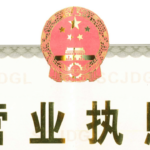
Electronic Business License China
All enterprises operating in Mainland China should be officially registered and have a business...
Read more
How to Apply for an E-business License
You can apply for and download the license for the first time after a successful registration. There are 3 ways to get an e-business license if the legal representative is not Chinese:
- Sign the Letter of Confirmation for downloading the license.
- Use a 3rd party to apply physically at the SAMR.
- The legal representative signs and authorizes the Letter of Confirmation and lets someone else submit the document physically at the SAMR.
Which Companies Can Use This?
Companies registering in China must obtain an e-business license.
- Import/Export License
Trading companies must obtain a permit from Chinese Customs to import or export goods. Additionally, dealing with special products may require additional licenses.
- Pharmaceutical Business License
Companies importing or selling cosmetics, pharmaceutical products, and medical devices require a special license.
- Construction License and Permits
Different license grades are awarded to construction companies depending on the activity for which they are required to provide an explanation on.
- Food Operation Licenses
Companies in the food industry require licenses for hygiene, alcohol production, food operations, and/or food production.
- Value Added Telecom Service (VATS) Licenses
Any website or website-based business, especially e-commerce businesses in China, need to obtain an Internet Content Provider (ICP) before going online and accessing the China content delivery network (CDN). Software as a Service (SaaS) providers require a different VATS license to run their portal or application. Websites generating profit, storing information, or collecting data for profit also require a VATS license.
How Can I Verify a Business License in China?
To verify a business license in China, you can utilize company verification services that provide the information needed on a registration record of a Chinese company. These services typically offer English translations for better understanding and can verify information such as the business license number and establishment date.
Conclusion
While the new process for applying for a business license in China is easier and more convenient, the requirement to obtain special licenses to operate in specific industries can still be challenging for many investors.
Get the right help your business needs to expand in China with MSA. We have more than a decade of experience assisting companies establish a foothold in the local market. Contact our team today!